An Evening of Farming Stories at Montague Farm
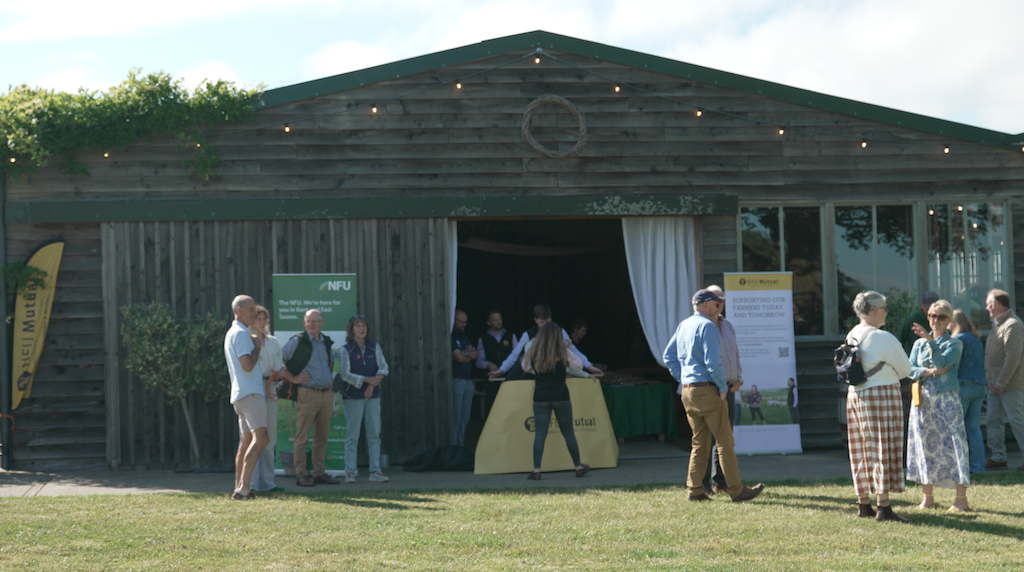
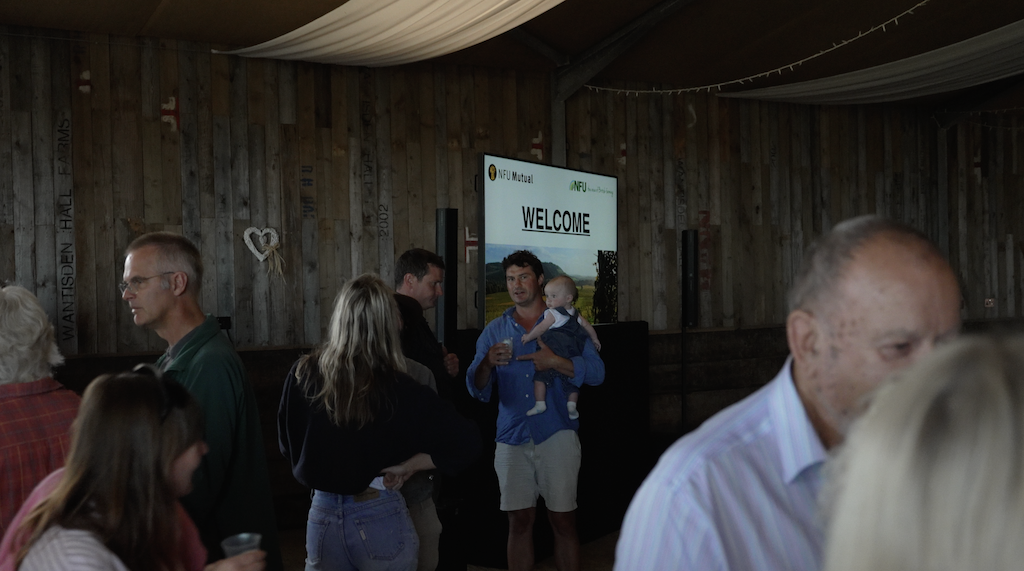
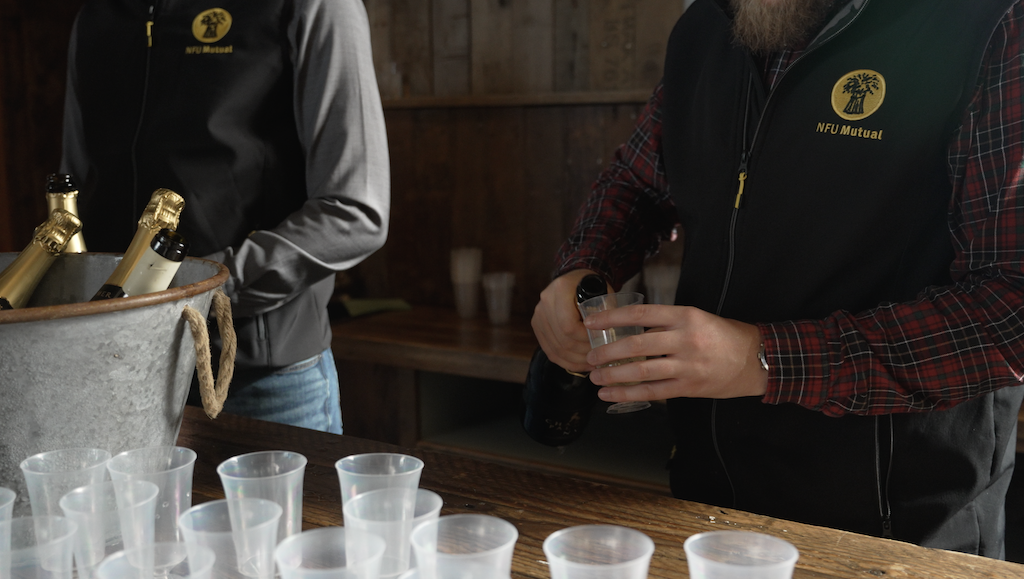
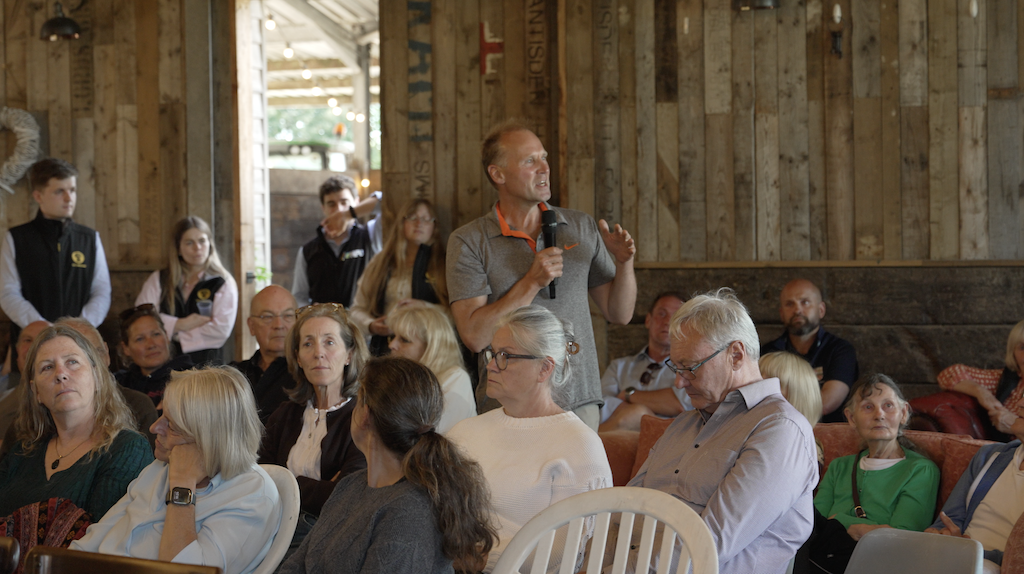
On a warm June evening, more than 100 people gathered at Montague Farm in Hankham, overlooking the Pevensey Levels, to celebrate two stories of farming, family and the future of the countryside.
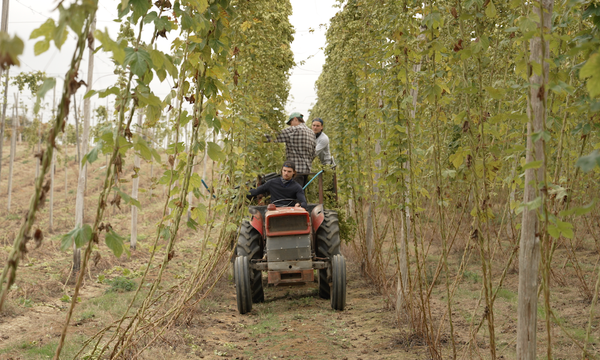
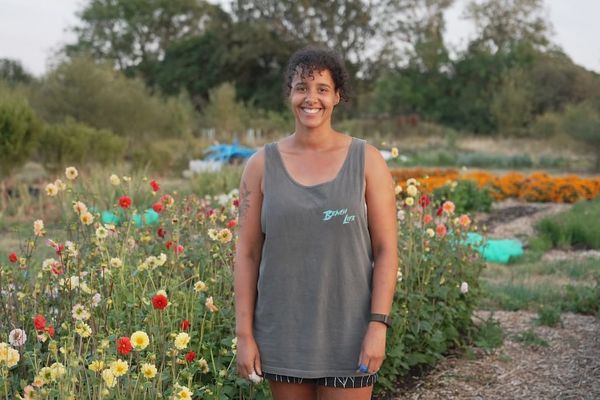
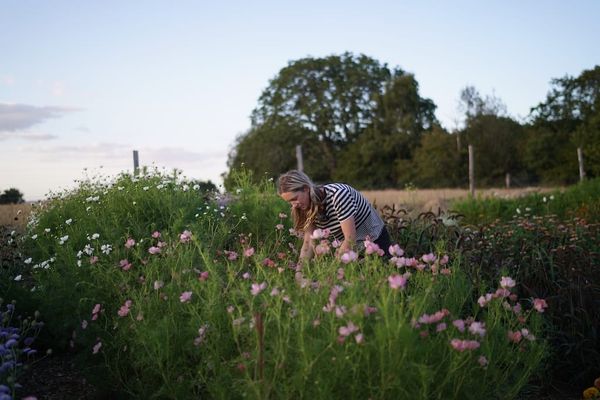
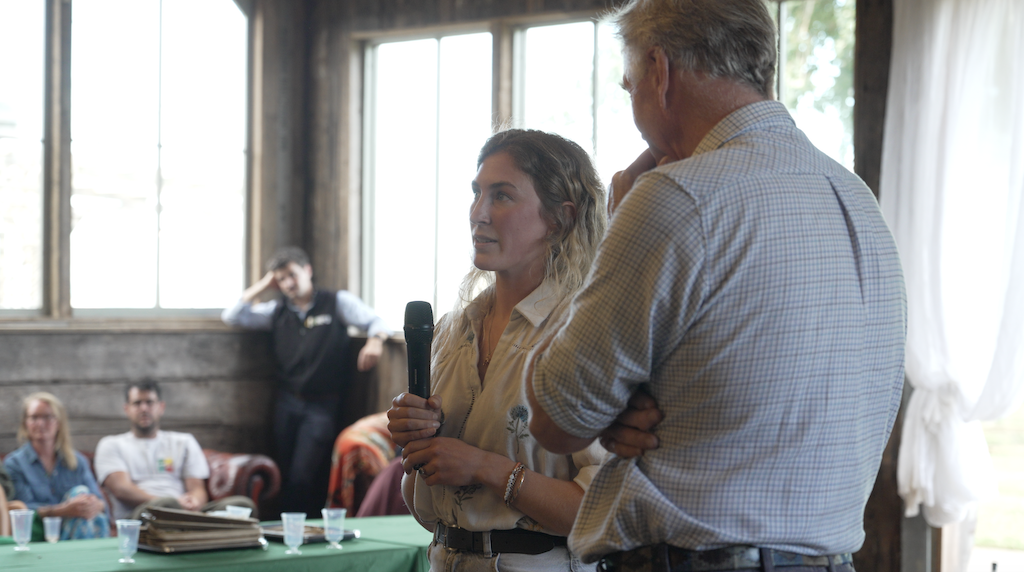
The event brought together farmers, landowners and members of the local community to watch two new short films commissioned by our local NFU Mutual agency: Learning to Listen, featuring Martin and Romney Hole of Montague Farm, and One Brick at a Time, telling the story of Charles Palmer Vineyards.
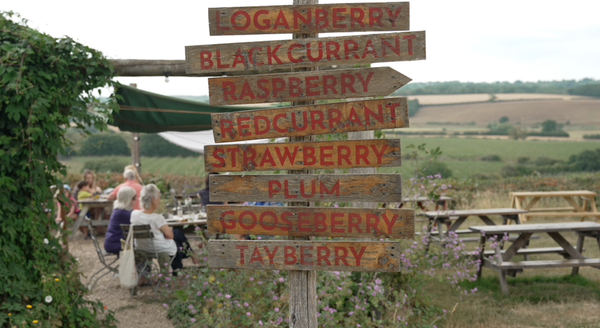
Although the two businesses are less than 20 miles apart, they represent very different approaches to farming. One is a family vineyard that has spent twenty years building an English wine business from the ground up. The other is a working farm and nature reserve where farming and wildlife restoration go hand in hand.
What connects them, however, is a shared sense of stewardship and a determination to build something that can endure for future generations.
Farming and adapting to change
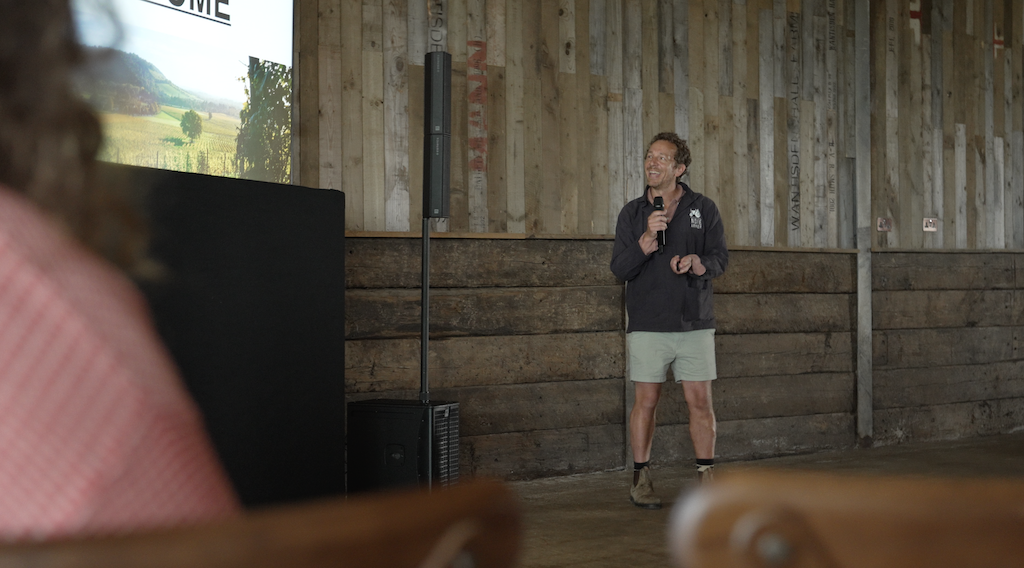
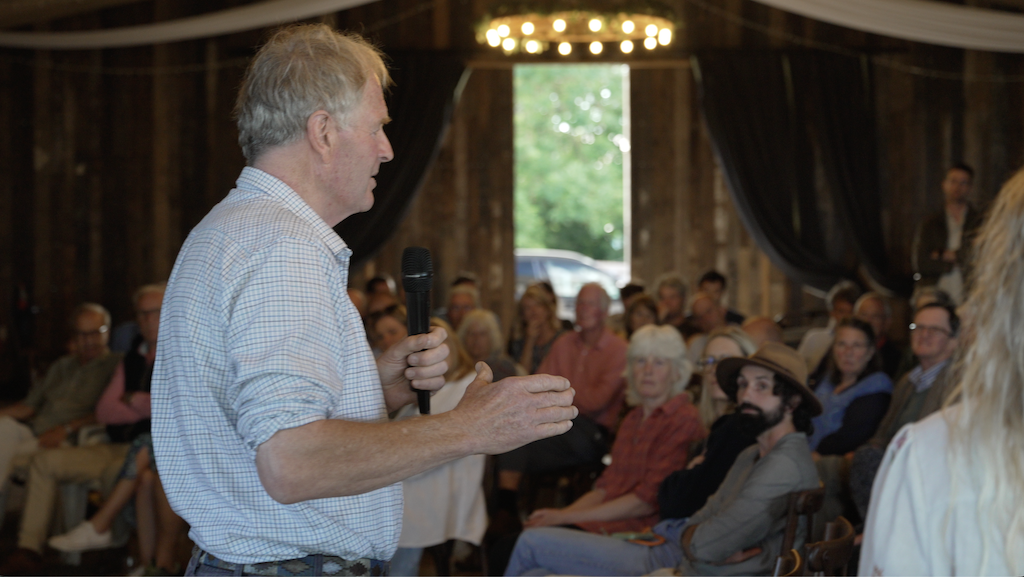
The discussion that followed the films touched on many of the challenges facing farming today.
Asked about the difficulties facing the English wine industry, Charles Palmer acknowledged that there had been rapid investment in vineyards in recent years, but argued that long-term success depends on understanding the economics and, above all, finding a market for your product.
"We've learned over twenty years that you adjust your price until you hit a sweet spot where people will buy," he said. "If it's below the cost of production, then you shouldn't be doing it."
Far from being pessimistic about the future, Charles spoke of opportunity and adaptation. As climate change reshapes traditional wine-growing regions in southern Europe, he believes England is increasingly well placed to produce world-class wines.
"It's not about getting bigger," he said. "It's about consolidation and doing what we do better and better."
Nature needs an income
One of the evening's most thought-provoking questions came when Montague Farm was asked whether its ambitious programme of habitat restoration would have been possible without diversifying into hospitality.
Martin Hole's answer was refreshingly honest.
"I think we decided we couldn't carry on running the farm and nature reserve without an additional income."
The family have invested heavily in converting old farm buildings into holiday accommodation and event spaces, with the proceeds helping to support the wider farming and conservation business.
As Martin explained, farming for wildlife can be rewarding and valuable, but farming alone was not generating enough income to care for historic buildings and create an exciting future for the next generation.
"Farming itself was not profitable enough to look after these old properties and make it exciting for another generation."
Yet despite the challenges, there was a strong sense of optimism.
"We've got to live with uncertainty and adapt," he said.
Livestock as ecosystem engineers
The role of livestock in nature recovery also formed an important part of the discussion.
Romney Hole explained how cattle and sheep are central to the management of the Pevensey Marsh landscape.
The family is increasingly moving towards purebred Sussex cattle, which play a vital role in shaping habitats by grazing reed beds and creating the varied sward structures needed by wildlife.
"They're quite good ecosystem warriors," Romney said.
The farm is also exploring ways to reduce its reliance on veterinary chemicals, asking important questions about what is introduced into sensitive landscapes through conventional livestock treatments.
Bringing people together
Perhaps the most encouraging part of the evening was simply seeing so many people come together to watch films about local farms.
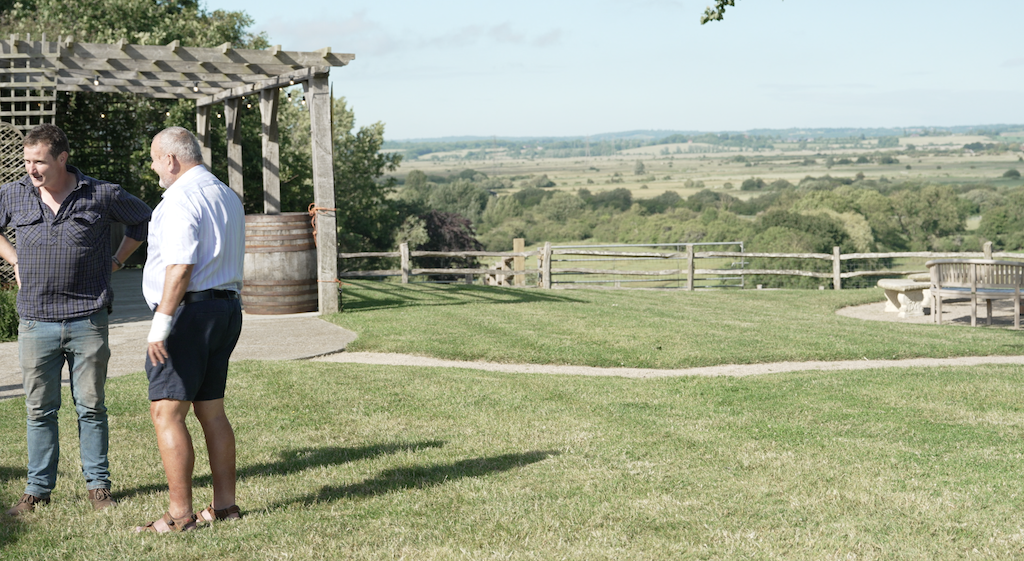
As one speaker observed, from the screening venue it is almost possible to see the vineyards of Charles Palmer and the marshes of Montague Farm, yet many people know very little about the stories unfolding on their own doorstep.
That, ultimately, is what evenings like this are about.
Not simply screening films, but creating space for conversation, celebrating the diversity of our farming communities and reminding ourselves that there is still a huge appetite for authentic stories from the countryside.
A huge thank you to everyone who attended, to Martin and Romney Hole and Charles Palmer for sharing their stories so generously, and to our local NFU Mutual agency for helping make the evening possible.
I hope this is just the beginning.
There are many more farming stories waiting to be told.