How Tibbs Farm is Building Resilience through Diversity
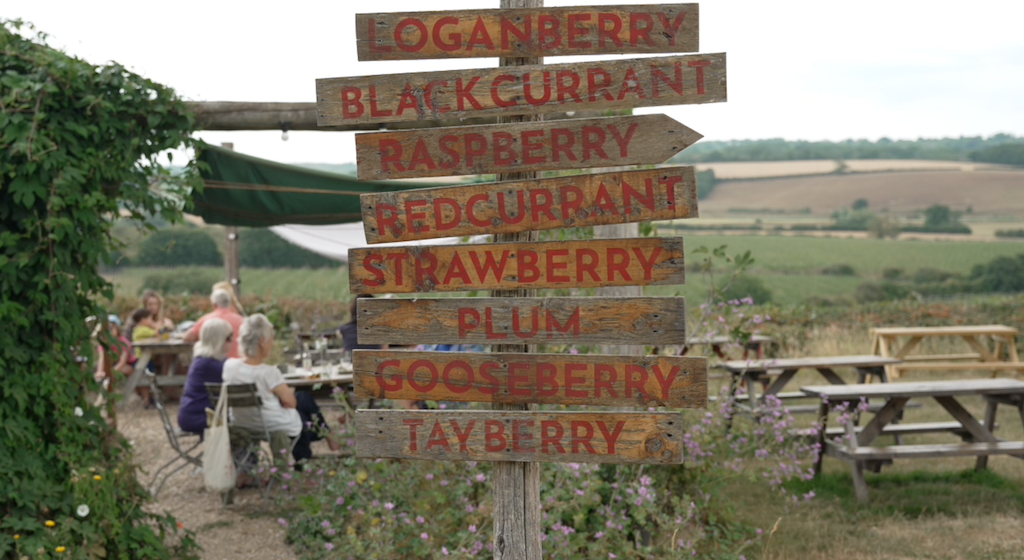
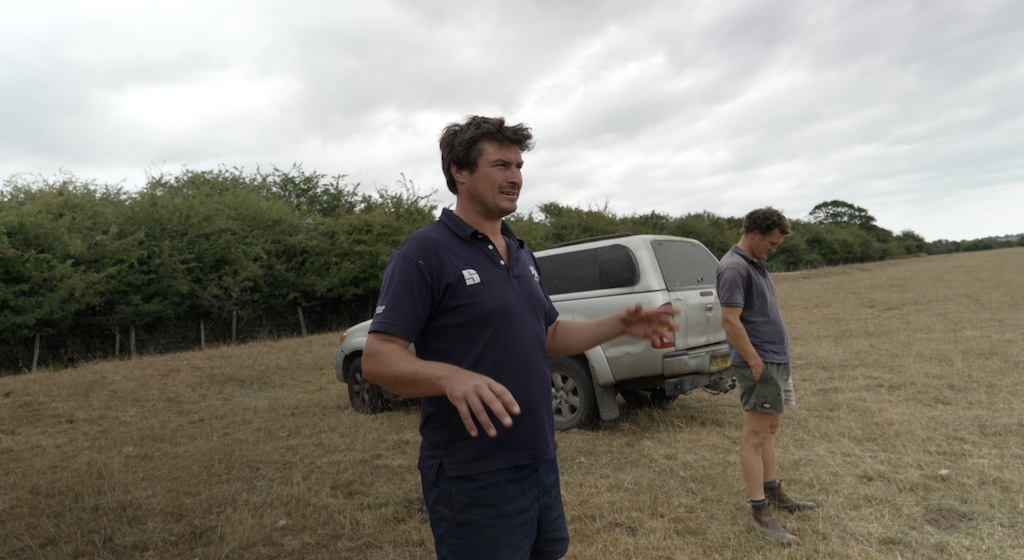
In the tenth instalment of my twelve-part Indie Farmer series, supported by the Lund Trust and the High Weald National Landscape, I visited Tibbs Farm near Udimore, East Sussex, where brothers Simon and Phil Wheeler are building a more resilient family business by combining traditional farming with hospitality, direct sales and visitor experiences.
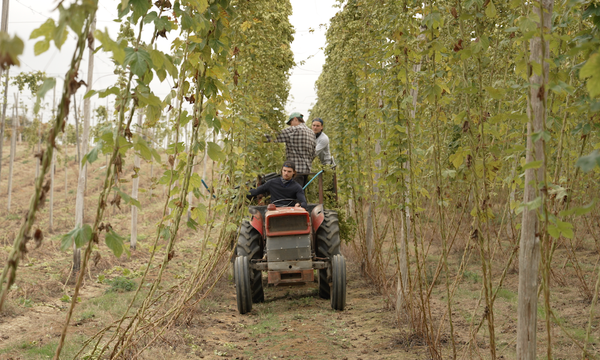
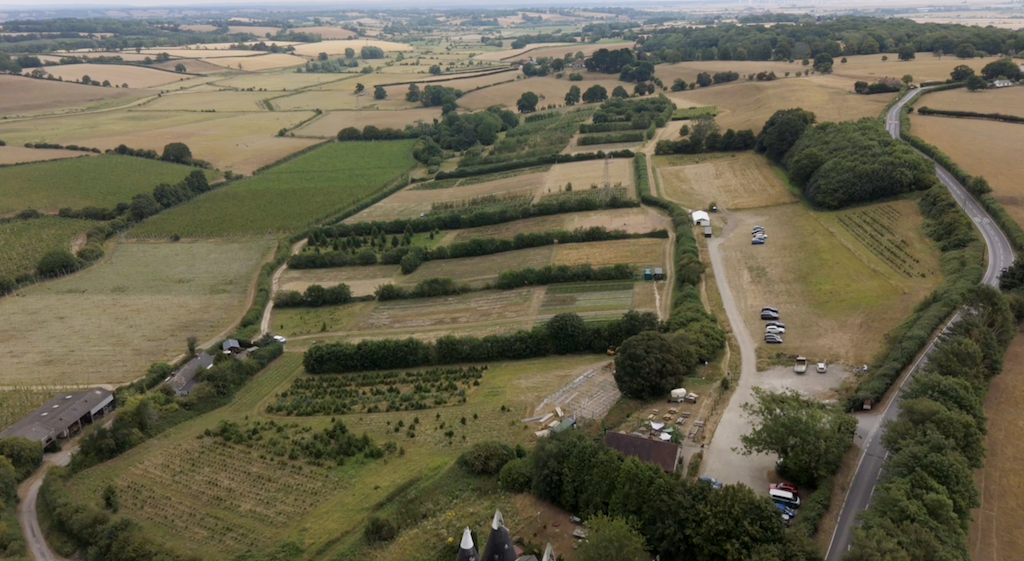
On a sunny summer afternoon, families spill out from the café terrace at Tibbs Farm, children wander towards the pigs, and beyond them rows of hops climb skywards above the surrounding fields. It feels like a thriving rural destination, but beneath the relaxed atmosphere lies a business that has had to adapt rapidly to the changing realities of modern farming.
For brothers Simon and Phil Wheeler, diversification has never been about moving away from agriculture. Instead, it has become the key to protecting it.
“We’re still finding what works,” Phil explains. “It’s an ongoing process of bringing all the different enterprises together under the Tibbs Farm umbrella.”
It’s a philosophy that has transformed what was once a traditional family farm into a business that now combines livestock, hops, pick-your-own fruit, a café, farm shop and seasonal events, while keeping farming firmly at its heart.
Returning home
Simon returned to the family farm in 2017 after spending time working in New Zealand, taking on responsibility for the farming side of the business. Phil followed in early 2020, leaving a career as a chartered surveyor to help develop the farm’s diversification projects.
The timing could hardly have been more challenging.
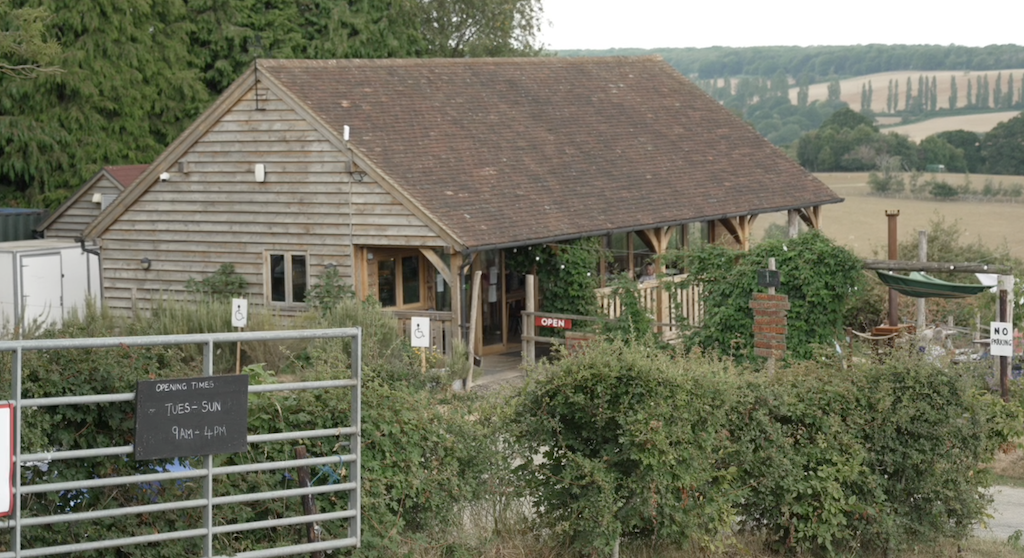
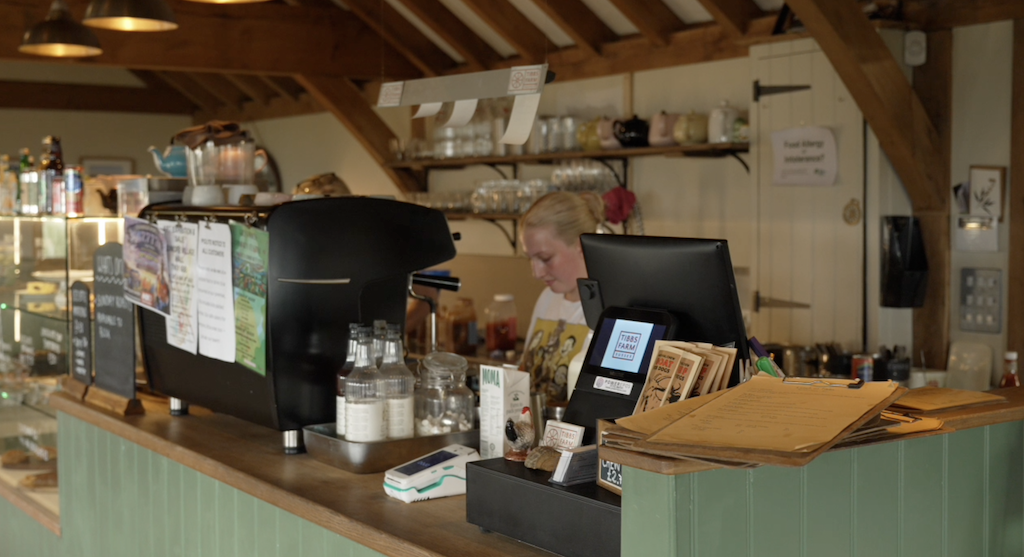
The family’s new café opened in July 2020, in the middle of the Covid pandemic.
“It was a terrible time to open,” Phil laughs.
Yet what began as a leap of faith has become the foundation for a growing range of enterprises that now support the wider farm business.
Their roles have naturally evolved.
Simon focuses on the livestock and hops, while Phil has found himself overseeing the pick your own fruit, café and events.
As he puts it: “He’s farming the livestock and hops… I’m doing the farming of the people.”
It’s a throwaway comment that neatly captures the reality facing many modern family farms. Producing food is no longer enough on its own. Increasingly, farmers are also building brands, creating experiences and developing direct relationships with customers.
Farming in an uncertain climate
Like many farmers across the South East, the Wheelers have watched the seasons become increasingly unpredictable.
“I think in the last ten years the weather’s been a real pain,” Simon says.
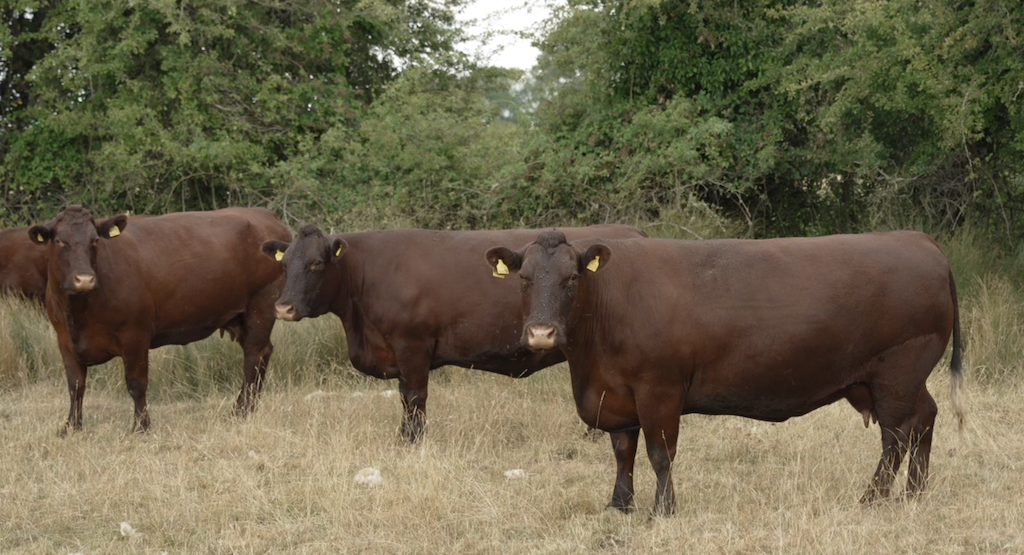
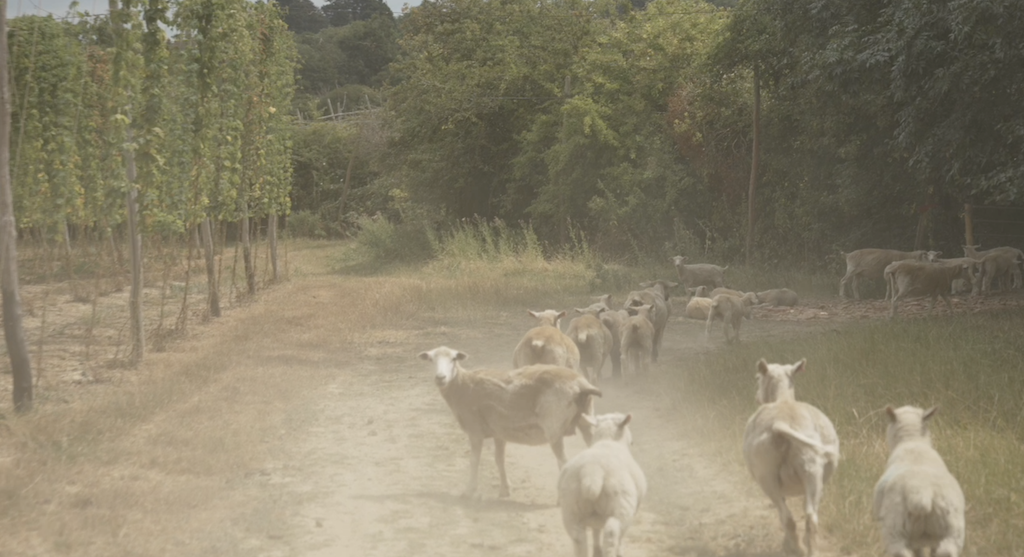
Wet winters, prolonged summer droughts and new pests and diseases have all added pressure to the farm’s fruit enterprise, while increasingly dry summers have forced difficult decisions about livestock numbers.
“We’ve had to destock a bit,” he explains. “We’re looking at reservoirs and water storage because I think that’s something we’re going to have to do.”
The challenges don’t stop there.
The family’s hop enterprise has also faced a difficult few years as drinking habits change and demand for traditional real ales declines.
“People are choosing not to drink beer,” Simon says. “At the same time there’s been a massive oversupply of hops. It’s a combination of events that makes it a far more difficult market than it was six or seven years ago.”
Unlike many crops, hops demand long-term commitment. New plants take several years before reaching full production, meaning growers must invest years before knowing whether demand will still exist when the crop is ready.
More than diversification
Rather than seeing these pressures as a reason to move away from farming, the Wheelers have focused on making the whole business stronger.
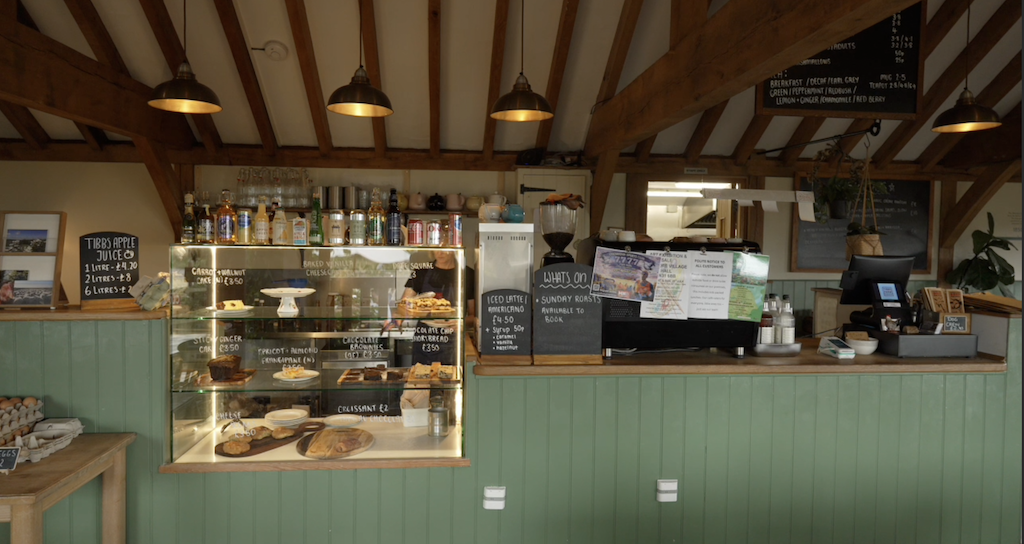
The café has become the hub around which many of the farm’s newer enterprises revolve.
Hop Fest celebrates the annual hop harvest. Pumpkin events, Easter activities, farm feasts and private functions all bring visitors onto the farm throughout the year.
“We keep trying different things,” Phil says. “Some things haven’t worked. Some things don’t quite resonate. Then you tweak them.”
It’s an approach based on continual learning rather than following a rigid business plan.
“It’s been a very organic evolution.”
Each successful idea strengthens the next, creating multiple income streams while introducing new people to the farm itself.
Selling experiences, not just produce
Perhaps the biggest shift has been recognising that today’s customers are often looking for something more than simply buying food.
“They’re coming here because they want to come here,” Phil explains.
“We’re a destination.”
Social media has played an important role in telling that story, helping Tibbs Farm become known not simply as somewhere to buy produce, but somewhere to spend time as a family and reconnect with farming.
Education is woven naturally into that experience.
Visitors can meet the pigs before enjoying pork in the café, see sheep grazing nearby and gain a better understanding of how a commercial farm operates.
“We’re not a farm park,” Phil says. “We’re a commercial farm.”
That distinction matters.
The experiences only work because they’re built around a genuine working farm, rather than being an attraction created solely for visitors.
Building resilience
Despite the success of the diversification projects, neither brother sees hospitality replacing agriculture.
Instead, each enterprise supports the others.
“It’s easier to grow a hospitality business,” Phil reflects. “But if this grows, that grows.”
That connection runs through everything they do.
The farm gives authenticity to the café and events, while the café, direct sales and visitor experiences provide additional income and stronger relationships with customers.
Together they create a business that’s better able to cope with difficult years in any one enterprise.
Looking ahead
As our conversation draws to a close, I ask what gives them hope.
Phil believes the public increasingly wants to understand where food comes from and meet the people producing it.
“I think there is a genuine curiosity,” he says. “People are supportive.”
For the Wheelers, the future isn’t about becoming the biggest farm or the biggest visitor attraction.
It’s about continuing to build a business where each enterprise strengthens the next.
“If we have these continued droughts,” Phil reflects, “or something doesn’t work out so well, whether it’s hops or something else, the business as a whole is more resilient.”
Standing outside the café, watching families enjoy the view across the hop gardens while sheep graze beyond, it’s clear that resilience can take many forms.
At Tibbs Farm, it isn’t being built by abandoning farming, but by surrounding it with hospitality, community and experiences that help secure the future of the family business. In an increasingly unpredictable world, that diversity may prove to be one of the farm’s greatest strengths.