Groundswell 2025 — Notes from Farming’s Glastonbury

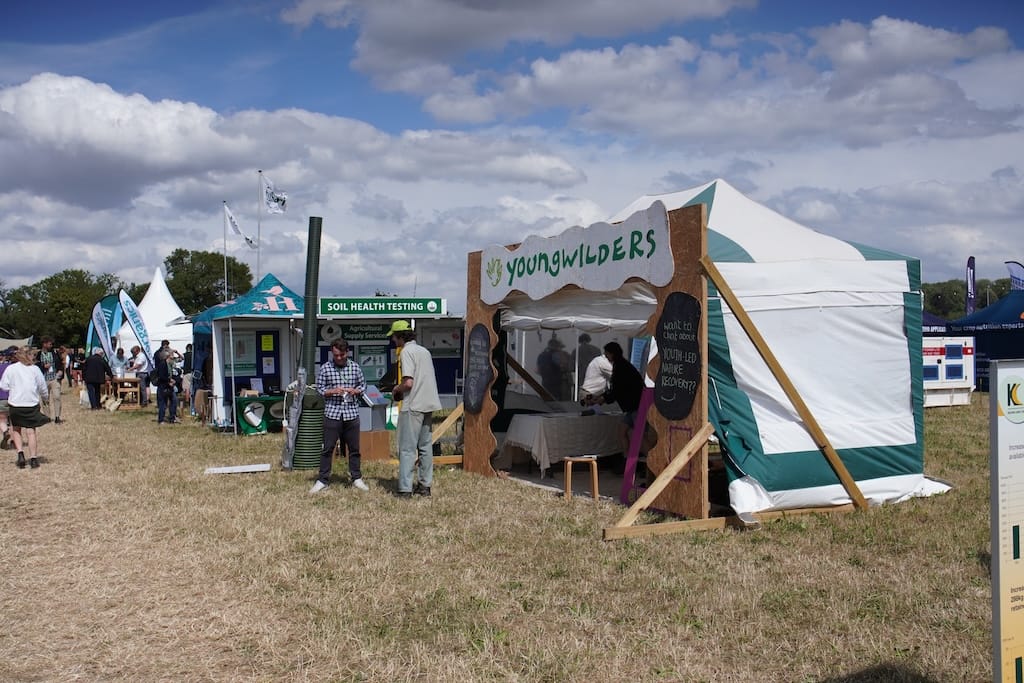
Groundswell — farming’s very own Glastonbury — returns each summer to the Cherry family’s Hertfordshire farm, drawing a growing crowd of farmers, thinkers, growers and storytellers grappling with some of the biggest questions facing food and agriculture.
Across two packed days — with more than 10,000 people attending — I moved between panel discussions, keynote talks and the impromptu conversations in between, where some of the most interesting exchanges at Groundswell always seem to happen.
Groundswell Day One
What is all this talk about regenerative agriculture? — Gabe Brown
Kicking off Groundswell 2025 with Gabe Brown felt like catching the headline act on the first night of Glastonbury. Brown, a North Dakota farmer and one of the pioneers of the regenerative movement, delivered a typically punchy and unapologetic talk on soil health, nutrient density and the need to return to nature’s operating system.
What struck me most wasn’t just his storytelling, excellent though it was, but the data showing the transformation of his own farm business. His six soil health principles might not all be directly transferable to a Sussex pasture, but the mindset certainly is: observe, experiment, trust biology — a timely reminder that regenerative agriculture isn’t a blueprint, but a lens.
Sitting shoulder to shoulder in a packed marquee, it was clear how hungry farmers are for practical optimism — not theory, but lived examples.



Can British farming be saved?
This provocatively titled panel, chaired by Henry Dimbleby, brought together former DEFRA secretary George Eustice and ex-Sainsbury’s CEO Justin King. Dimbleby opened with a stark warning: the UK food system, while delivering affordability, has driven ecological decline, missed climate targets and fuelled a health crisis, with 2.8 million people now economically inactive due to diet-related illness.
Eustice made the case for a messier, more nature-rich landscape, supported by ecosystem service payments and long-term policy commitments. King pushed back, insisting that consumers drive the system and that change must begin with them. One of the most compelling ideas was Dimbleby’s call for a levy on ultra-processed foods to fund better marketing of healthy food — a reminder that policy, pricing and storytelling must work together to shift the system.

How to build a movement of community, nature and recovery
What role can communities play in nature restoration? This powerful session explored that question with speakers from community farms, finance and land justice movements.
Charlotte Hollins of Fordhall Farm shared how 8,000 people helped buy back her family farm after an eviction threat, turning it into one of England’s first community-owned farms.
Helen Avery of the Green Finance Institute explained how investors are now seeking projects with community involvement, which can actually de-risk funding. Mark Walton of Shared Assets laid out the legal and structural barriers facing community access to land, but also new collaborative models between farmers and landless groups.
Ben Goldsmith closed with stories of bottom-up landscape restoration in Somerset, where neighbours came together to rewild, host NHS green prescribing projects and monitor moths.
The message was clear: communities aren’t an obstacle, but the key. The room felt unusually quiet during this session — the kind of attentive silence that suggests something deeper is landing.
Local meat — and the missing infrastructure
This session felt especially close to home. As someone raising native cattle and lambs for direct sale, I found it both sobering and galvanising. We heard from inspiring projects like Street Goat (Bristol), Swillington Organic Farm (Yorkshire), and Fernhill Farm (Somerset), who shared practical models blending conservation grazing, community supported agriculture, fibre, events and food production. But the big issue? Infrastructure.
With only one small abattoir left in Sussex, and many regions with none, kill-and-return services are critically limited. Andy Gray, from MC Kelly Ltd, shared updates on political lobbying for mobile abattoirs and small processor support. The panel made clear that local meat won’t survive on goodwill alone. It needs serious investment, enabling policy and joined-up logistics — but the appetite is there.
Groundswell Day Two
From fork to field: bringing regen mainstream
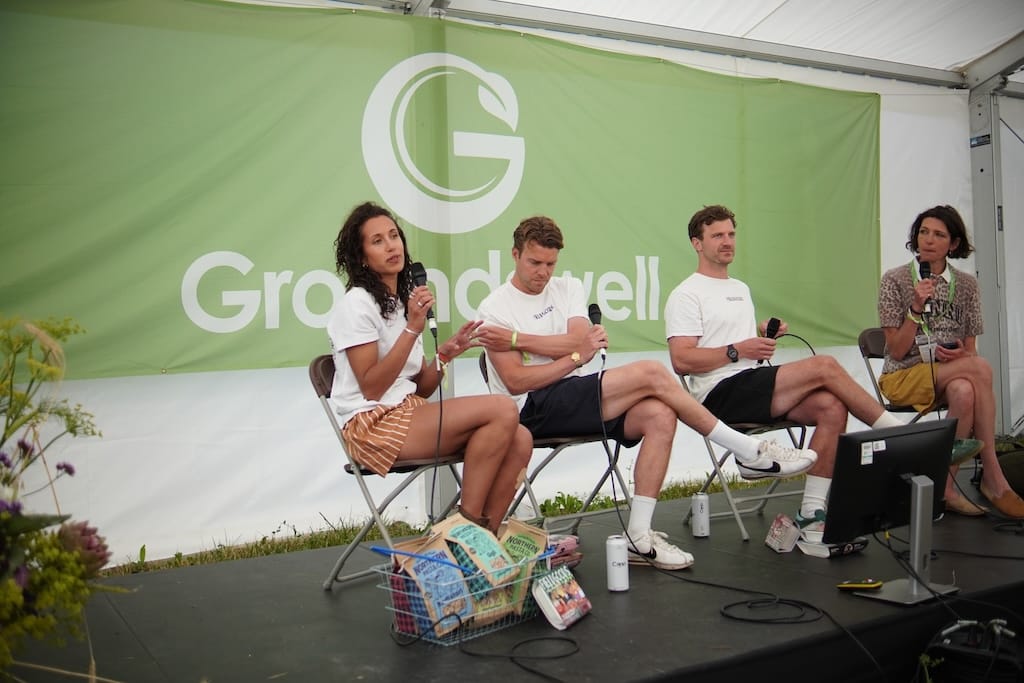
Hosted by cook, writer and restauranteur Thomasina Miers, this session offered a hopeful glimpse into the future of regenerative food brands. Imogen Royall from Northern Pasta and Sam and Elliott Day from Field Goods shared how they’re challenging supermarket norms with joyful, values-led products that don’t compromise on flavour.
The conversation covered everything from scaling ethically to greenwashing risks. One big tension was whether regen brands should meet people “where they shop” or build new paths entirely. What stood out was their optimism, honesty and belief in storytelling.
Farming needs better stories (and smarter politics)
One of my favourite sessions of the festival, this panel — chaired by Sue Pritchard of the Food, Farming and Countryside Commission — took a clear-eyed look at the gap between the optimism of events like Groundswell and the everyday reality facing many farmers.
Emily Norton (AHDB) and Joe Evans (Vice President of the CLA) both highlighted the confusion and distress caused by poor communication around schemes like the Sustainable Farming Incentive. Their message was clear: we need more confident, joined-up leadership in the land-based sector and a better understanding of how to communicate change.
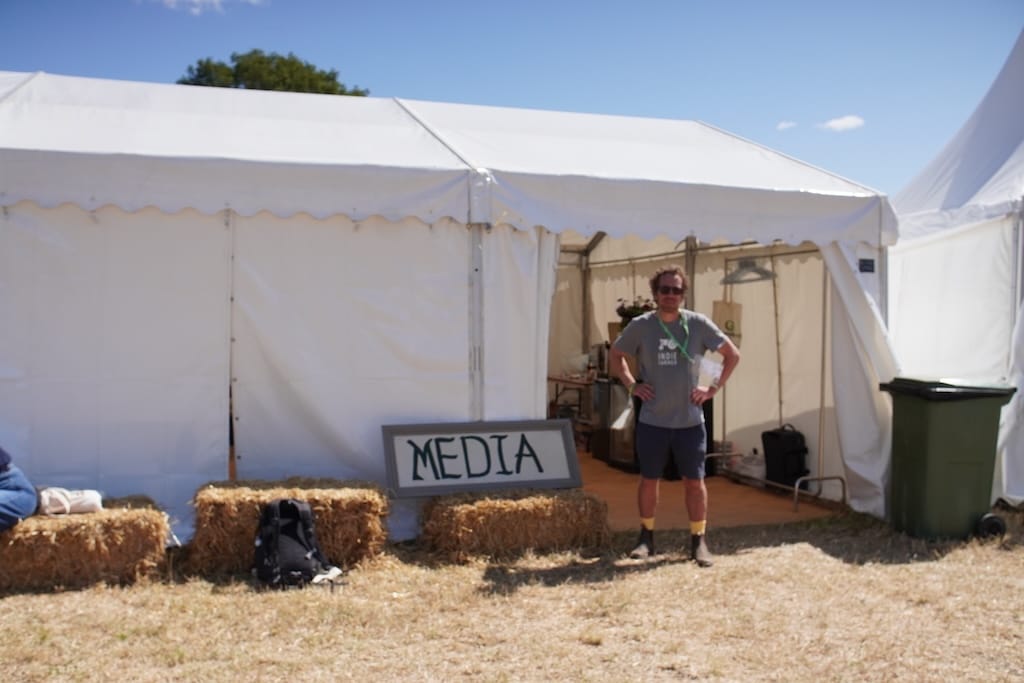
Lee Cain, former Downing Street communications strategist, brought a bracing dose of political reality. If farming wants to influence government policy, he argued, it must speak to the public’s top concerns: the NHS, cost of living and jobs. That means building simple, emotionally resonant narratives linking food and farming to better health, climate resilience and national wellbeing — and delivering those stories through the media channels people actually use, from local news to Instagram reels.
Telling the regenerative story: farming in media and culture
Picking up the baton perfectly, this inspiring panel explored how those better stories might be told. Featuring Hugh Fearnley-Whittingstall, Farmerama co-founder Abby Rose, Clarkson’s Farm producer Vicky Boyton and Instagram-savvy farmer Ben Andrews, the conversation delved into the emotional power of narrative to shift hearts and minds.
The shared thread was a belief in authenticity and emotion, and in the power of letting farmers speak for themselves. There were calls for better food education, more space for new entrant voices and a braver use of platforms like Instagram and TikTok to reach beyond the farming bubble and connect with a wider, more diverse audience.
Landscape approaches: stories, challenges and successes
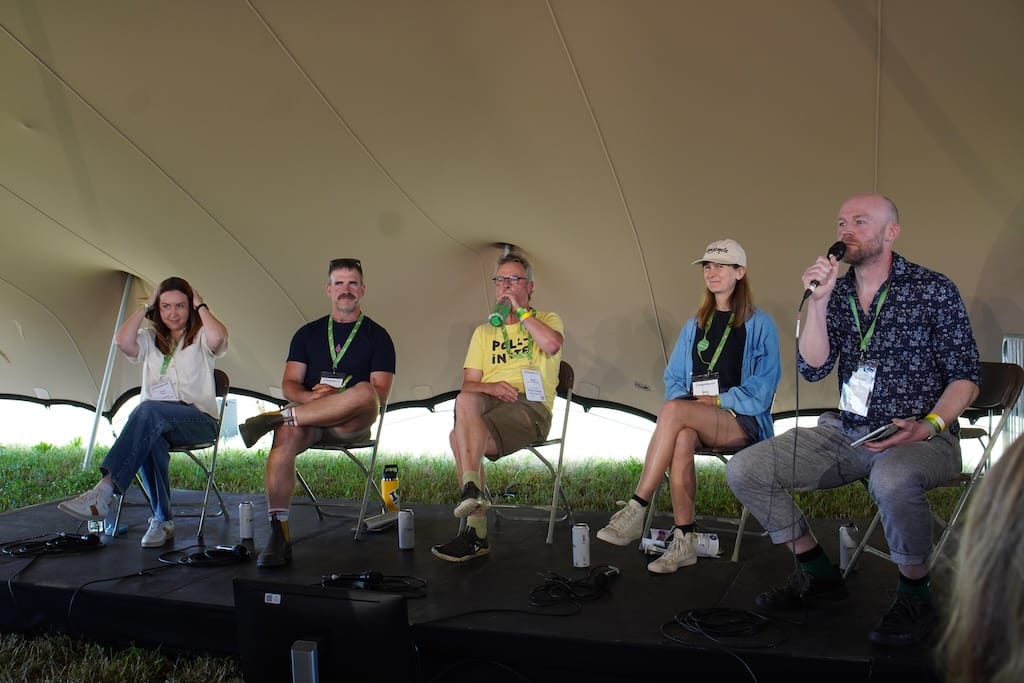
My final session dug into the often-complicated world of working across boundaries — ecological, political and social. From rewetting peatlands to restoring floodplains and wildflower corridors, the scale and ambition of the work is impressive. But as the panelists made clear, it’s the relationships between neighbours, farmers, scientists and citizens that truly make it possible.
Gareth Williams, project lead for Weald to Waves, a 100-mile nature recovery corridor in Sussex, spoke about the importance of long-term, joined-up thinking, highlighting the need for strong partnerships, holistic approaches and robust financial mechanisms to support landscape-scale restoration.
As a farmer, co-facilitator and member of the Pevensey Farmers’ Cluster — currently looking beyond the end of its Countryside Stewardship facilitation funding — I found this session particularly pertinent. It offered valuable insights on governance models, sustaining momentum when grants dry up and the wider challenge many farm clusters are now facing as agreements come to an end.
Final reflections
Groundswell 2025 reaffirmed my sense that we’re living through a profound shift — not just in farming practices, but in how we relate to land, food and each other. It also reminded me of the joy of learning collectively, whether in a marquee, around a fire or queuing for a regenerative pale ale in the blazing July sun.
If regeneration is as much about people as it is about soil, then events like Groundswell are vital infrastructure.
Here’s to the conversations still echoing in my head — and the ones still to come.
More information
A version of this article first appeared in South East Farmer magazine.